Patellofemoral Pain Syndrome
AKA "Runners Knee"
Are you suffering with pain on or under the kneecap?
Pathology
The posterior surface of the patella gets irritated or damaged with this condition. Severity can range from dysfunction to serious or chronic injury.
The posterior surface of the patella is slightly pointed and runs through the slightly concave surface of the femur in a space called the femoral groove.
If the patella is dragged out of place, it's sharp under-surface will be compressed against one side of the femoral groove and this can damage the patella.
The patella is maintained through the balance of surrounding musculature and fascia. There is a greater lateral pull on the patella as muscles and fascia become tight on the lateral aspect of the thigh. If there is weakness in the vastus medialis, it cannot counter this lateral pull.
Factors that can lead to patellofemoral pain syndrome include: excessive foot pronation, a wide Q-angle, and tightness in the ITB or biceps femoris (hamstrings).
Signs and Symptoms
- Anterior knee pain or pain underneath the patella.
- Visible patella malalignment or maltracking during contraction of the quads.
- Atrophy of the vastus medialis (inner quad).
- Possible knock knees.
Possible Causes
- Muscular imbalance.
- Poor posture.
- Genetics.
- Excessive Q-angle.
- Weakness in vastus medialis due to injury.
Treatment
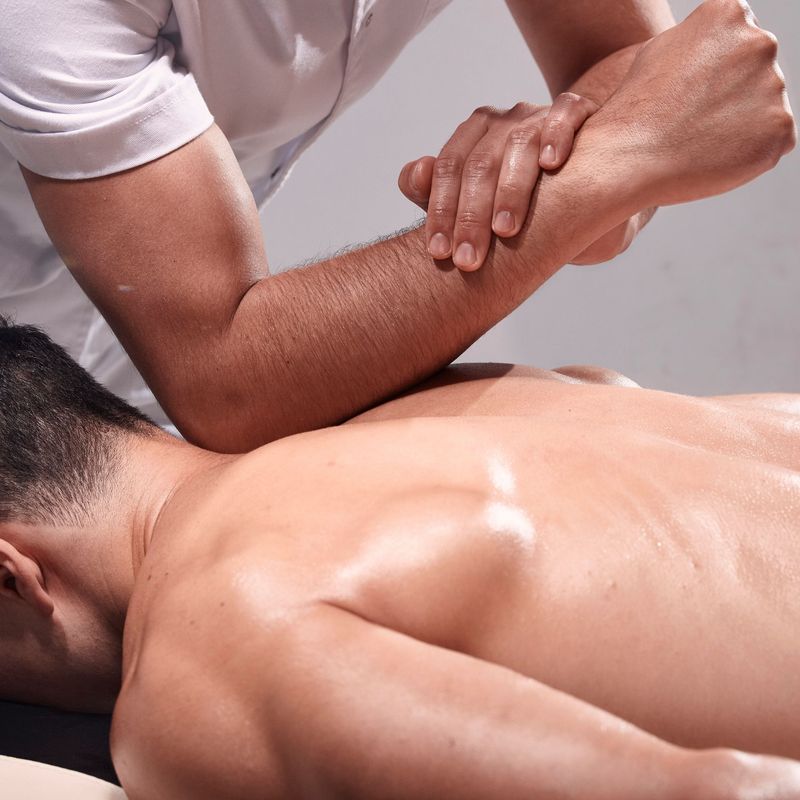
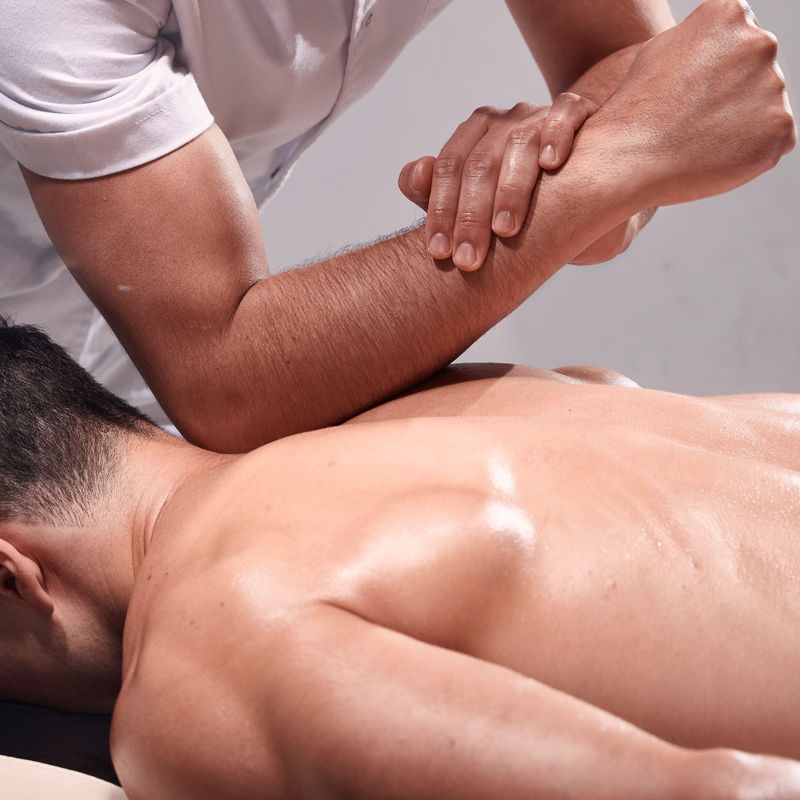
Patellofemoral pain syndrome can be treated by restoring length to shortened muscles, and strengthening weak muscles that support the knee. A combination of strengthening, stretching and massage therapy is advised.
At Thrive Therapy & Fitness, we have treated several cases of patellofemoral pain syndrome through treatment and exercise prescription.
If you are currently struggling we would love to help you!