Plantar Fasciitis
Are you suffering with pain on the bottom of the foot?
Pathology
The plantar fascia helps the tarsals support the foot. The plantar fascia is required when standing, jumping or running on the toes. Plantar fasciitis occurs when the fascia has been overstretched, leading to damage and inflammation.
If left untreated, or if plantar fasciitis is poorly managed, a calcaneal spur can form.
Signs and Symptoms
- Pain on the bottom of the foot, particularly near the heel (calcaneal attachment).
- Aching and/or initial discomfort on weight-bearing, which lessens over time.
- Tenderness on palpation of the calcaneal attachment.
- Increasing pain on active or passive dorsiflexion.
- Pronated foot position.
- Tight plantar-flexors.
Possible Causes
- Heavy or repetitive landings.
- Poor posture.
- Over pronation of the foot during gait.
- Inappropriate footwear.
- Tight plantar-flexors.
Treatment
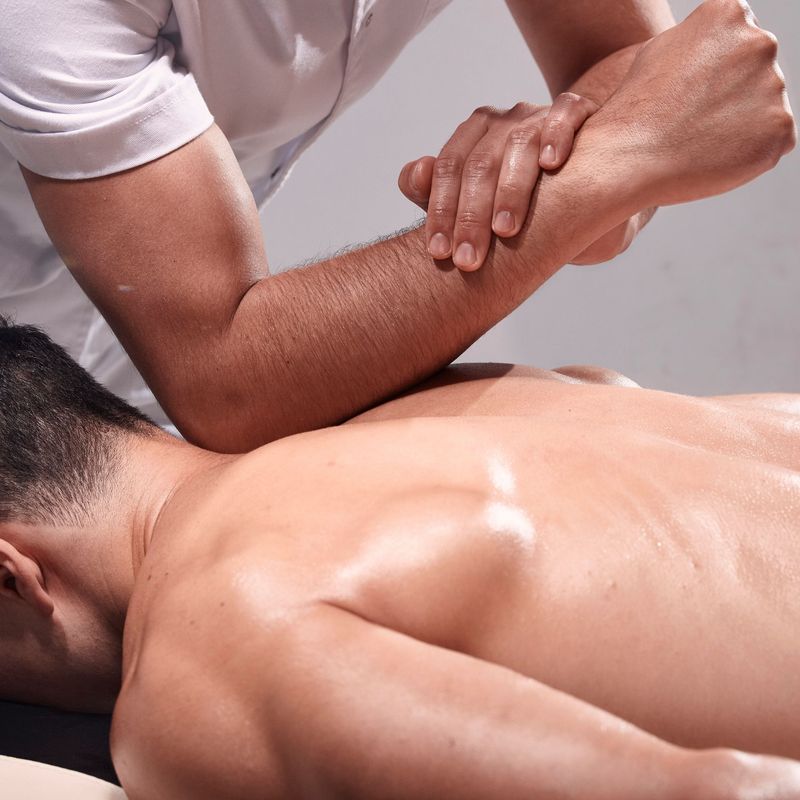
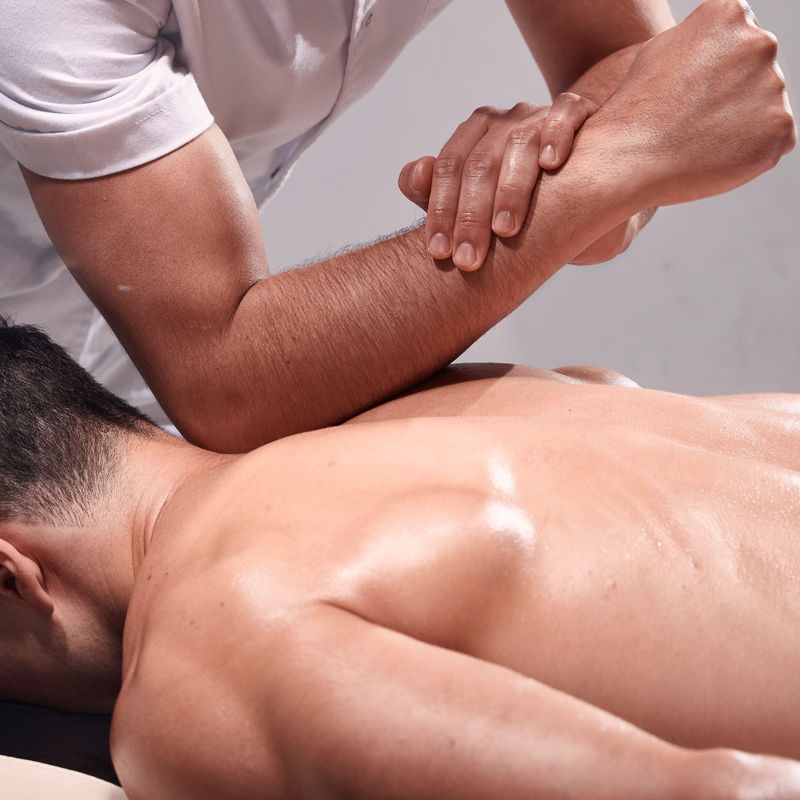
Plantar fasciitis can be treated with massage, stretching and physio exercises.
It's also important to give the area time to heal, and for the inflammation to reduce. Therefore reducing impact and volume through the foot is recommended. Choose shoes with cushioned heels and strong, built-in arch support. Wearing a plantar fasciitis night splint or socks while sleeping can hold your foot in a stretched position, reducing that severe first-step pain in the morning. Using a massage ball on the bottom of the foot can act as a myofascial release to help release tension in the plantar fascia.
At Thrive Therapy & Fitness, we have treated several cases of plantar fasciitis.
If you are currently struggling we would love to help you!